
Date Posted

The National Cancer Institute (NCI) Division of Cancer Prevention (DCP) is pleased to announce the 2026 cohort of the DCP Early Career Scientists who are advancing cancer research in the areas of prevention, detection, and symptom science. These investigators will be featured in the program’s keystone Spotlight Seminar Series, highlighting their unique work in the field. In its third year, the program features the largest cohort to date, promising a variety of thought-provoking presentations and discussions. Speakers will also have the opportunity to meet with NCI staff who are involved in cancer prevention research.
More information on the speakers, topics, series schedule, and registration is available at https://events.cancer.gov/dcp/early-career-scientists-research-seminars/upcoming.
The 2026 cohort of DCP Early Career Scientists includes:
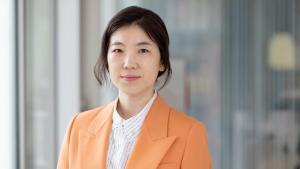
Jiahn Choi, Ph.D.
Assistant Professor, Albert Einstein College of Medicine, New York
Focus areas: Understanding how intestinal stem cells and their surrounding niche adapt to environmental stressors—such as aging and diet—and how these adaptations influence tissue homeostasis, inflammation, and cancer risk.
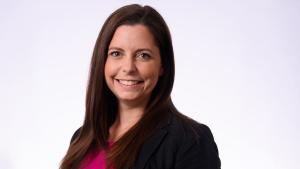
Claire C. Conley, Ph.D.
Assistant Professor of Oncology, Georgetown University, Washington, DC
Focus areas: Early detection among women at increased risk for breast cancer and symptom management among people living with advanced cancer.
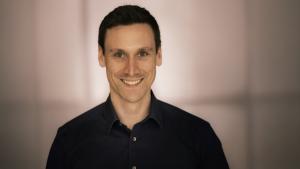
David Cordas dos Santos, M.D.
Instructor, Department of Medical Oncology, Dana-Farber Cancer Institute, Boston, MA
Focus areas: Translational research in plasma-cell disorders and hematologic malignancies such as multiple myeloma and Waldenström macroglobulinemia, and T cell–based therapies including CAR-T cells and bispecific antibodies.
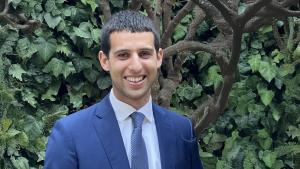
Joshua Demb, Ph.D., M.P.H.
Assistant Professor, Department of Radiation Medicine and Applied Sciences, University of California San Diego
Focus areas: Studying the overlapping roles of cancer screening and diagnostic work-up to maximize early cancer detection, particularly among adults under age 50 at risk for colorectal cancer.

Preshita P. Desai, B. Pharm, Ph.D.
Assistant Professor, Department of Biotechnology and Pharmaceutical Sciences, College of Pharmacy, Western University of Health Sciences, Pomona, CA
Focus areas: Identifying and repurposing chemopreventive agents, coupled with the design of smart nanotechnology-based drug delivery systems to achieve selectively enhanced and targeted cancer chemoprevention.
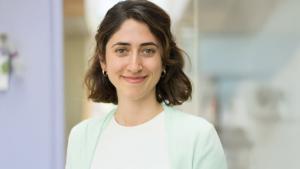
Sebnem Ece Eksi, Ph.D.
Assistant Professor, Division of Oncological Sciences, Oregon Health & Science University, Portland, OR
Focus areas: Investigating how tumor-innervating nerves influence cancer progression and therapy response, with the goal of improving early detection and prevention in prostate and pancreatic cancers.

Carolyn Harris, Ph.D., R.N.
Assistant Professor, Department of Physiological Nursing, School of Nursing, University of California, San Francisco
Focus areas: Conducting evaluations of the biological, social, and environmental factors that underlie single symptoms and symptom clusters in patients living with cancer.
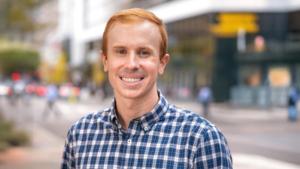
Robert Knoerl, Ph.D., R.N.
Assistant Professor, University of Michigan School of Nursing, Ann Arbor, MI
Focus areas: Developing options for managing cancer treatment-related side effects that are effective and have fewer, or no, side effects, and leading clinical trials to explore the potential of non-pharmacological interventions, such as yoga, music therapy, and cognitive behavioral pain management.
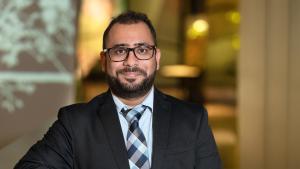
Nitish Khurana, Ph.D.
Research Assistant Professor, Department of Molecular Pharmaceutics, University of Utah, Salt Lake City
Focus areas: Studying the development of translational nanomedicine and imaging technologies for cancer prevention, treatment, and critical care, focusing on drug delivery, biomaterials, and image-guided oncology.
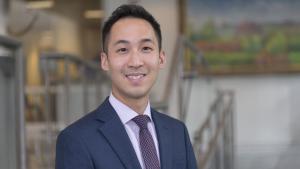
Kevin T. Liou, M.D.
Assistant Attending, Memorial Sloan Kettering Cancer Center, New York
Focus areas: Leading clinical trials investigating acupuncture and music therapy for cancer symptom management.
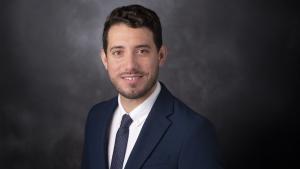
Abel Martel Martel, Ph.D.
Postdoctoral Fellow, Department of Clinical Cancer Prevention, The University of Texas MD Anderson Cancer Center, Houston
Focus areas: Leveraging spatial transcriptomics and proteomics to elucidate immuneepithelial interactions across the colorectal carcinogenesis axis in Lynch Syndrome carriers.
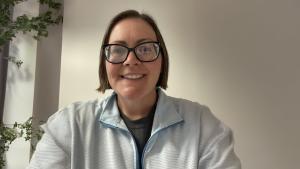
Sarah Mazzilli, Ph.D.
Assistant Professor of Medicine, Division of Computational Biomedicine, Boston University Chobanian & Avedisian School of Medicine
Focus areas: Understanding the epithelial and immune changes that drive the progression of premalignant lung lesions to invasive lung cancer.
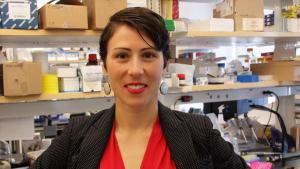
Marlies Meisel, Ph.D.
Assistant Professor, University of Pittsburgh
Focus areas: Examining the complex interactions between gut microbes and the host immune system in health, cancer, and autoimmunity.
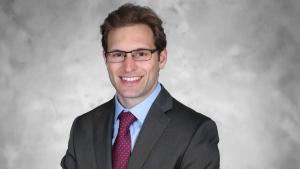
Alexander Raufi, M.D.
Director, Clinical Research, Division of Gastrointestinal Oncology, Brown University Health Cancer Institute, Providence, RI
Focus areas: Conducting both laboratory and clinical research to understand the development of novel immunotherapy combinations in gastrointestinal malignancies and preventive strategies for gastrointestinal cancers.
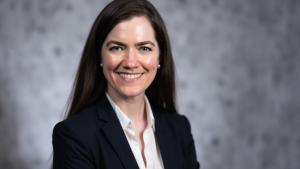
Jessica E. S. Shay, M.D., Ph.D.
Assistant Professor, University of Utah, Salt Lake City
Focus areas: Examining how metabolic reprogramming in metabolic dysfunction-associated steatotic liver disease (MASLD) shapes hepatocyte identity, regeneration, and tumorigenesis, with the goal of identifying metabolic strategies to prevent liver cancer.

Meghan Skiba, Ph.D., M.S., M.P.H., R.D.N.
Assistant Professor, University of Arizona College of Nursing, Tucson, AZ
Focus areas: A registered dietitian nutritionist, Dr. Skiba's research focuses on promoting healthy aging in cancer survivors and their caregivers through culturally and regionally tailored diet and physical activity interventions.
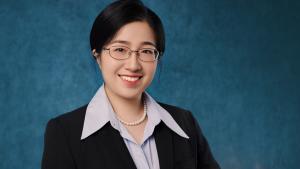
Tengteng Wang, Ph.D.
Assistant Professor, Section of Cancer Epidemiology and Health Outcomes, Rutgers Cancer Institute, Rutgers Robert Wood Johnson Medical School, New Brunswick, NJ
Focus areas: Identifying modifiable factors and molecular biomarkers that influence cancer etiology and progression with a particular emphasis on the human microbiome.
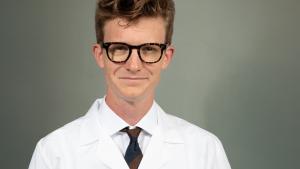
Samuel Yates, M.D., M.Sc.
Fellow (PGY-6), Department of Hematology and Oncology, University of Chicago
Focus areas: Researching ways to improve the fitness for chemotherapy of older adults with leukemia via targeting sarcopenia to improve physical function.
For more information on the DCP Early Career Scientist Spotlight Seminar Series or the program, contact NCIDCPworkforce@mail.nih.gov.