
The National Cancer Institute (NCI) Division of Cancer Prevention (DCP) has created the DCP Early Career Scientist Spotlight Research Seminar Series to highlight nominated early career scientists who are advancing research within the areas supported by DCP. The overall goal of this ongoing seminar series is to increase visibility and provide recognition to these DCP Early Career Scientists.
On This Page
- All Heading 2s will automatically be pulled in to this list.
- Do not edit the content on this template.
Key information
- Date: Monday, March 9, 2026
- Time: 1:00pm EDT to 2:00pm EDT
- Location: Virtual via WebEx
Registration Information
Registration is required.
Speakers
Microbes, Hormones, and Diet: Translating Microbiome Science into Breast Cancer Prevention and Control
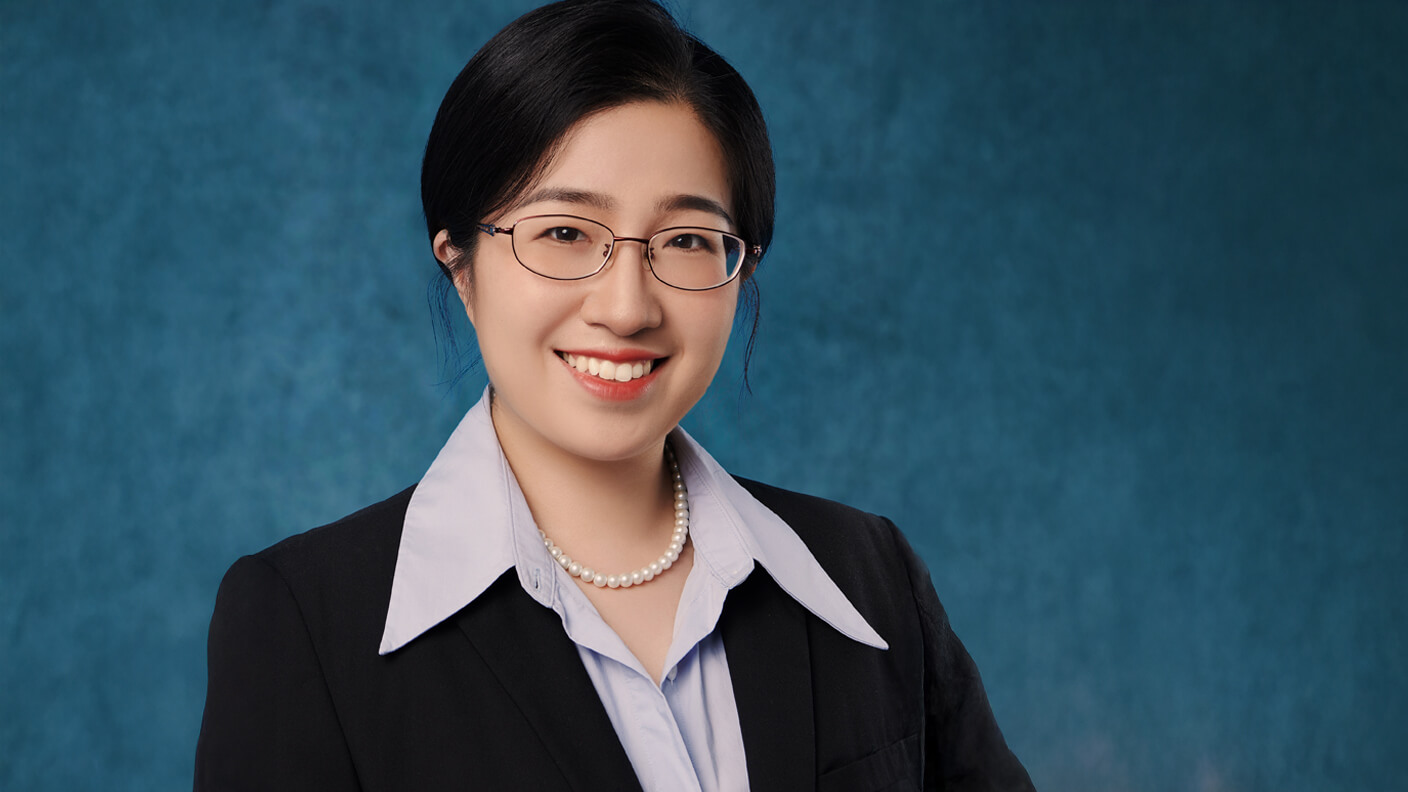
Tengteng Wang, PhD
Assistant Professor, Section of Cancer Epidemiology and Health Outcomes, Rutgers Cancer Institute, Rutgers Robert Wood Johnson Medical School
Biography
Dr. Tengteng Wang is an Assistant Professor in the Section of Cancer Epidemiology and Health Outcomes at Rutgers Cancer Institute. Before joining Rutgers in 2024, she was an Instructor at Harvard Medical School, where she also completed T32 postdoctoral training. Dr. Wang earned her Ph.D. in Epidemiology from the University of North Carolina at Chapel Hill in 2019.
As a cancer epidemiologist with medical training, Dr. Wang’s research focuses on identifying modifiable factors and molecular biomarkers that influence cancer etiology and progression. Her research integrates high dimensional multi-omics data in cancer epidemiologic studies, with a particular emphasis on the human microbiome, to unravel novel biological mechanisms underlying cancer development, primarily in breast cancer. Supported by an NCI Early K99/R00 Award and several pilot awards, her current work systematically investigates the associations among the human microbiome (in both high- and low-biomass sample types), host exposures, and benign breast disease or breast cancer.
Her long-term goal is to advance microbiome-informed risk and prognosis prediction, early detection, and targeted cancer prevention strategies.
Decoding the Immune Landscape of Mismatch Repair–Deficient Colorectal Carcinogenesis
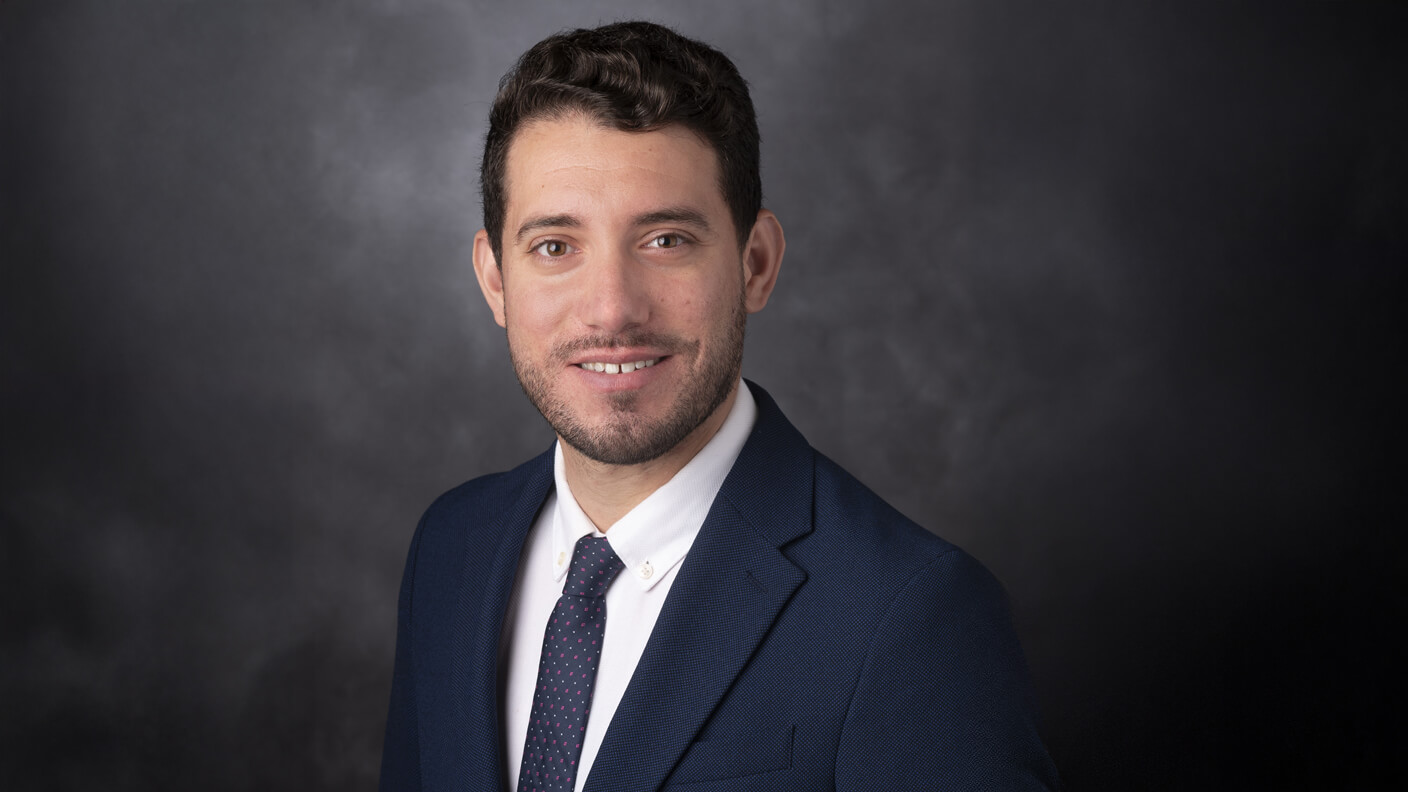
Abel Martel Martel, PhD
Postdoctoral Fellow, Department of Clinical Cancer Prevention, The University of Texas MD Anderson Cancer Center
Biography
Dr. Martel earned his master's degree and Ph.D. from the University of Salamanca, Spain. During his graduate studies, he characterized at the molecular level the carcinogenesis in patients with early-onset colorectal cancer, specifically investigating NOMO1 loss and its contribution to invasion and metastasis. After completing his Ph.D., Dr. Martel joined The University of Texas MD Anderson Cancer Center as a Postdoctoral Fellow in the Department of Clinical Cancer Prevention, where he focuses on cancer immune interception for Lynch Syndrome (LS). Dr. Martel's research leverages spatial transcriptomics and proteomics to elucidate immuneepithelial interactions across the colorectal carcinogenesis axis in LS carriers.
His work involves spatial mapping of LS neoantigen-specific T cell clonotypes and their functional phenotypes across normal mucosa, early neoplastic lesions, and invasive tumors. To validate these findings, he has implemented innovative in vivo and ex vivo experimental platforms, including humanized HLA transgenic mouse models and patient-derived organoids from LS carriers, to evaluate the immunogenic potential and preventive efficacy of novel LS neoantigen-based vaccination strategies and immunomodulatory agents.