
The Division of Cancer Prevention supports major scientific collaborations, research networks, investigator-initiated grants, postdoctoral training, and specialized resources across the United States.
-
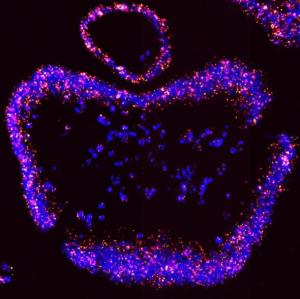
This program supports research projects focused on discovery of novel immunoprevention pathways and immune targets.
-

Research Centers develop and conduct early phase clinical trials to assess the preventive potential of agents and interventions of varying classes.
-
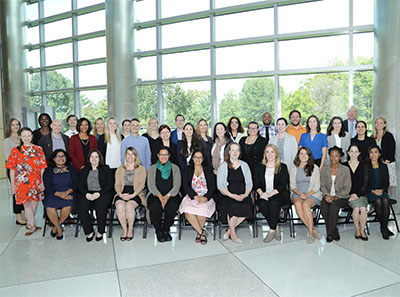
Advanced training for fellows provides a strong foundation in the field of cancer prevention and control to scientists and clinicians from varied health disciplines.
-
A collaborative research network with the overarching goal of discovering molecularly or immunologically targeted agents designed to prevent or intercept the oncogenic process in higher-risk populations.
-
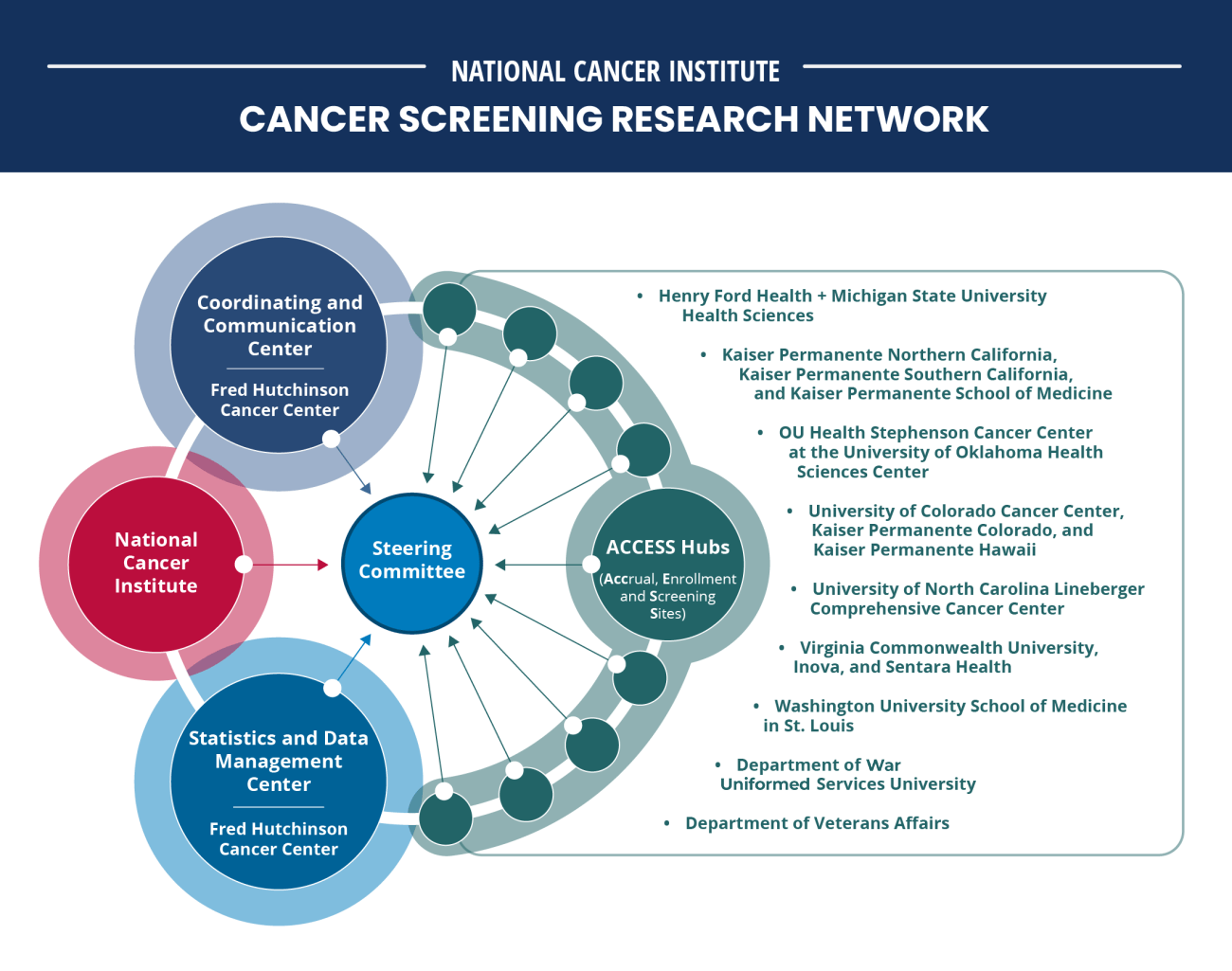
As a central component of the Cancer Moonshotsm, the National Cancer Institute (NCI) is starting a new Cancer Screening Research Network (CSRN) in January 2024 that will conduct trials and studies to systematically evaluate promising and emerging technologies for the purpose of cancer screening.
-

A consortium of multi-disciplinary teams that is developing new methods for analyzing patient-reported outcomes in the setting of cancer clinical trials.
-
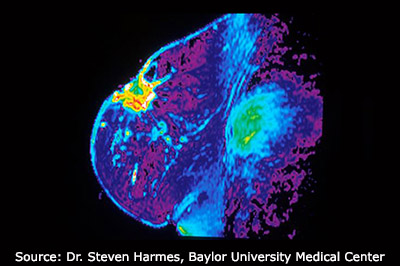
Research Units integrate imaging strategies with biomarkers to improve cancer screening, early detection of aggressive cancer, assessment of cancer risk, and diagnosis of early stage cancer.
-
This supports the discovery and development of novel natural products that are safe, non-toxic, and efficacious for cancer interception and prevention
-
Labs and centers bring together comprehensive infrastructure and resources critical to discovery, development and validation of biomarkers for cancer risk and early detection.
-
Seeks to conduct pragmatic clinical trials evaluating the effectiveness of clinically proven interventions to optimize the cervical cancer screening, management, and precancer treatment cascade for WLWH.
-
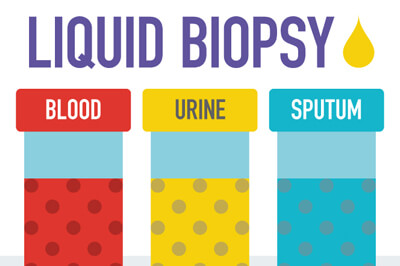
A partnership with academic and industrial laboratory teams developing noninvasive liquid biopsy techniques to detect early stage cancer from biomarkers in blood, urine and sputum.
-
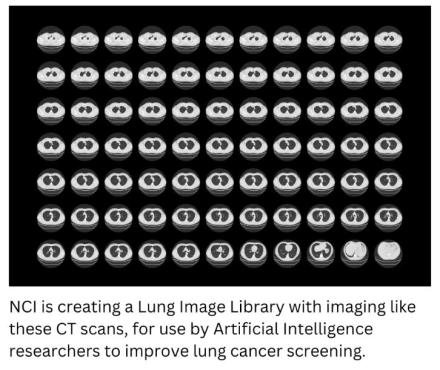
NCI is creating a Lung Image Library for use by Artificial Intelligence researchers to improve lung cancer screening.
-
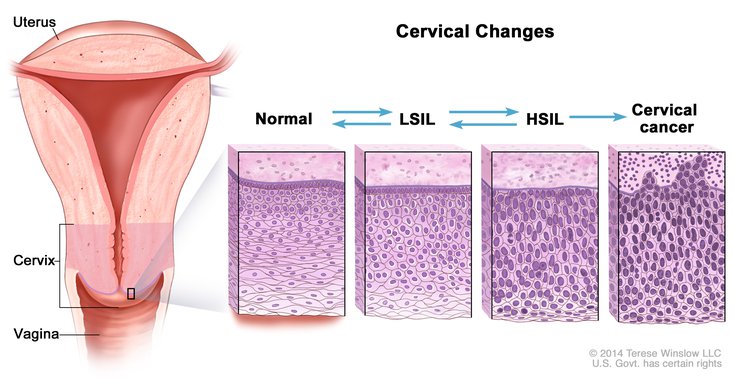
A public private partnership between several stakeholders to validate self-collection as a comparable (non-inferior) alternative to provider-collected sampling for HPV testing in cervical cancer screening.
-
A clinical trials network of cancer professionals brings research to diverse populations across the country in the communities where most patients live.
-
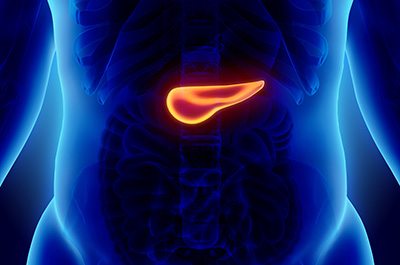
Research teams develop and test new molecular and imaging biomarkers to detect early stage pancreatic ductal adenocarcinoma and its precursor lesions.
-
The Pre-cancer Atlas (PCA) Research Centers are part of the Human Tumor Atlas Network (HTAN). HTAN, an NCI-collaborative program, is constructing multi-dimensional atlases of the cellular, morphological,…
-
The peer-reviewed research pipeline supports new prevention interventions and biomarkers headed toward clinical trials.
-
A large randomized trial designed to determine the effects of screening on cancer-related mortality and secondary endpoints in people aged 55 to 74. Researchers can request valuable PLCO data and biospecimens.
-
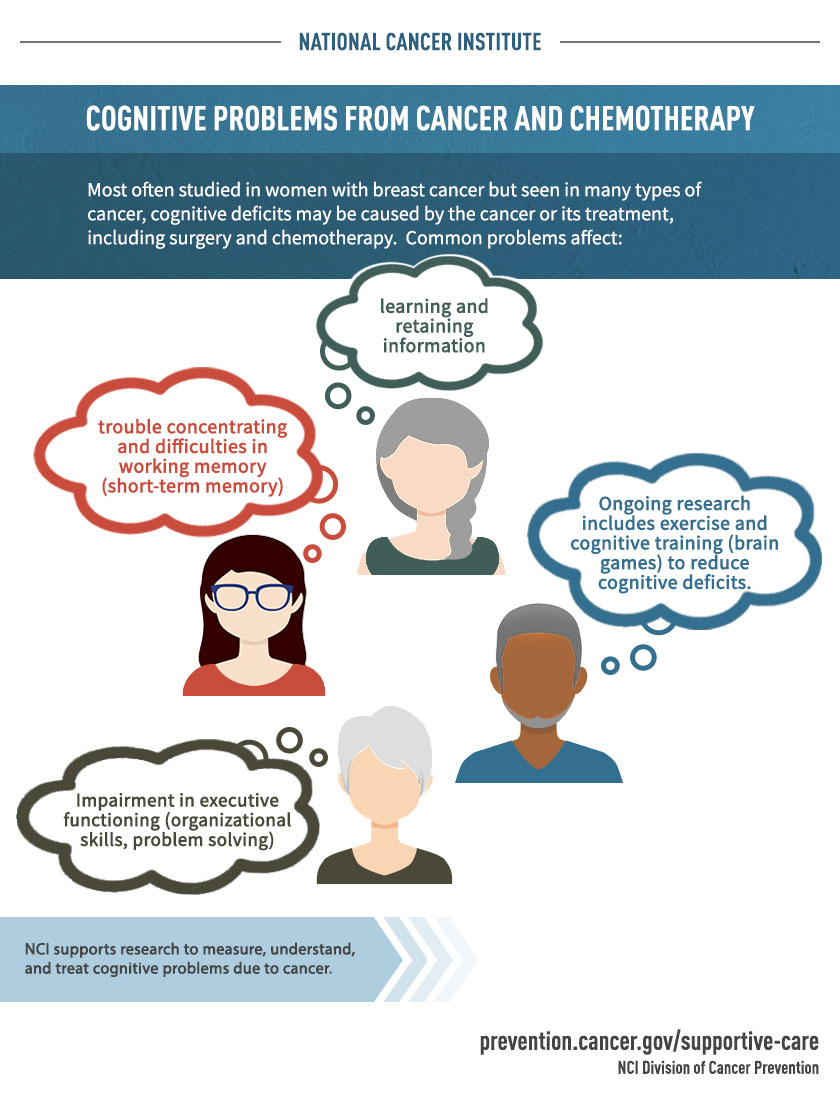
Clinical trials and grant-funded projects examine symptoms and morbidities related to cancer and its treatment, with a focus on interventions to improve quality of life.
-
A collaborative research network that aims to further understand the biological and pathophysiological mechanisms and to facilitate biology-backed precision prevention approaches.
-
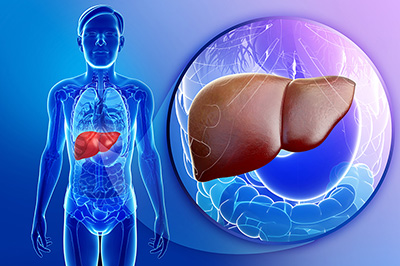
Five Translational Research Centers conduct studies to improve surveillance of liver cancer in high-risk populations, increase detectability at early stages, and stratify at-risk patients.
-
Partnership Centers will focus on improving prevention of human papillomavirus (HPV)-related cancers in human immunodeficiency virus (HIV)-infected individuals.